
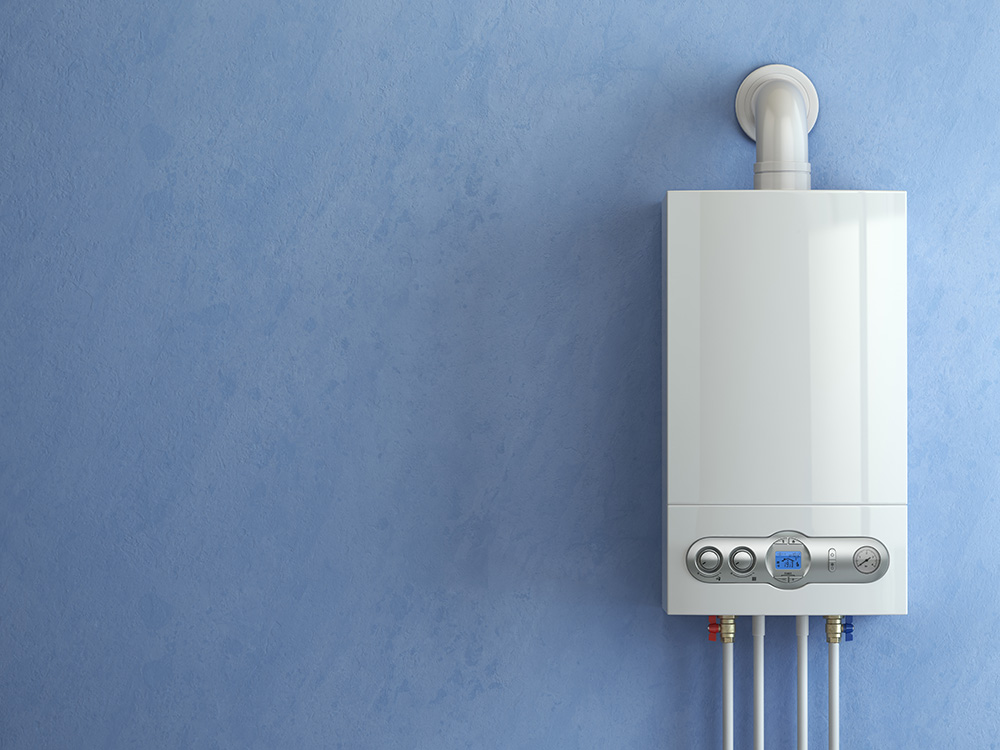
When looking to upgrade or replace a water heater, many homeowners make the switch to a tankless model. But is it a good fit for your home? This article will explore the pros and cons of tankless water heaters.
What is a Tankless Water Heater?
Traditional water heaters have a tank filled with water, which is heated up when hot water is required. This can take some time and energy, and when the tank is used up, you have no hot water left. Tankless water heaters operate as hot water is needed. The device heats water as it passes through continuously, as hot water is being used.
Tankless Water Heater Pros
Energy Savings
Generally, a tankless heater is going to be much more energy efficient than a traditional storage-tank model. Storage-tank units warm up many gallons of water, even if you are just washing your hands in the bathroom. As a result, homeowners tend to save money on energy use when switching to a tankless model.
As Much Hot Water As You Need
With storage-tank heaters, your hot shower can only stay hot as long as the heater has water in the tank. Tankless models continually heat the water as you need it. This also means that multiple family members showering in a row, or in different bathrooms, don’t have to compete for hot water.
Space-Saving Units
Tankless water heaters are much, much smaller than traditional heaters. They can be mounted to a wall, so they don’t take up floor space. For larger houses with multiple bathrooms, separate water heater units can be used for different areas of the home, leading to more energy efficiency and higher hot water flow rates.
Less Risk of Leaks
Traditional storage-tank heaters can build up minerals from the water, which can cause corrosion or leaks. When these large tanks leak, you can be left with major water damage. Without a tank, you are less likely to have mineral build-up or major flooding damage from a leak.
Lower Burn Risk
Heater models without tanks have much more precise temperature readings and control, allowing you to more effectively manage temperature and reduce scalding or burns.
Longer-Lasting System
Traditional storage-tank water heaters can last up to 12 years with proper maintenance. But tankless units can run for up to 20 years with proper care. This can make a big difference for homeowners looking to make a long-term investment in their home.
Cons of Tankless Water Heaters
Higher Installation Costs
Tankless units generally cost more to install than a more traditional unit. This is because they often require some electronic configuration. Additionally, some areas of the country have harder water (more calcium and other minerals) than others. In those areas, you may need to install a water softening system for the best results. This can add to the upfront cost of installation.
Longer Time Before Heat Delivery
Storage-tank systems consistently heat water throughout the day. While this is not great for energy efficiency, it allows for faster delivery of hot water. With tankless units, hot water may take a few more seconds to arrive on first initiation. This can often be mitigated with additional units for different areas of the house.
“Cold Water Sandwich” Effect
If you are turning off the hot water intermittently, such as while washing dishes, you may experience the “cold water sandwich.” This is where you will feel hot water, then cold for a few seconds, then back to hot. This is caused by a delay in hot water flow from the system as it adjusts to intermittent use. It only happens if you are consistently turning on and off the hot water, but it is something you may experience.
Temperature Changes with Multiple Users
If you are showering while someone else is also using hot water, there may be a lower temperature output for you both. Unlike storage-tank systems, the unit is restricted by flow rate. When shopping for a tankless model, be sure to look at maximum flow rates for each unit. The issue of multiple users can be mitigated by having different units for different areas of the home.
No Hot Water in a Power Outage
When comparing gas heater units, most storage-tank units do not require electricity to operate. Most tankless units have electronic control panels and temperature sensors. This can result in a lack of hot water during a power outage. This can be a niche concern, but it may be something to consider.
Professional Installation for Your Tankless Water Heater
Water heaters should always be installed by a licensed plumber. Using a licensed professional can help prevent warranty voiding or potential damage to the unit. You should also use a trusted professional for any water heater maintenance or care. An experienced plumber can also help you evaluate what level of flow rate you and your family may need when looking to switch to a tankless system. The Home Improvement Contractors of Staten Island provides our community with a directory of trusted, licensed professionals in their area to handle any remodel, installation, or maintenance job.
Home Improvement Contractors of Staten Island is proud to connect residents with trusted professionals. Visit our Member Directory for a full list of our local experts.



Leave A Comment